
Staying Balanced on Tour
Life on the road can look exciting from the outside and still be physically and emotionally exhausting on the inside. Long drives, late nights, inconsistent sleep, constant noise, limited privacy, and performance pressure all add up. This page is for everyone who travels for work in the music and creative industries, including musicians, crew, techs, managers, and other touring professionals.
Here you will find practical, science-informed ways to stay balanced on tour and support mental health while traveling. These suggestions are grounded in psychology and stress science and are built for real touring conditions, not ideal ones.

Sleep and Rest While on Tour
Sleep is one of the first things impacted on tour, affecting mood, focus, reaction time, and emotional regulation.
We have a whole page dedicated to sleep support. Some helpful strategies include:
Eating and Hydration on the Road
Food on tour is often fast, limited, or inconsistent. Blood sugar swings and dehydration can make anxiety, irritability, and fatigue worse.
Supportive ideas include:
• Eating something, even if it is not ideal. Regular intake helps stabilize energy and mood.
• Pairing carbs with protein or fat when possible to slow energy crashes.
• Keeping hydration visible and accessible. Dehydration increases stress on the nervous system.
• Avoiding long stretches without eating when you can. Even small snacks can reduce emotional and physical strain.
Nervous System Regulation while Touring
Touring keeps your nervous system in a near constant state of activation. Noise, crowds, time pressure, and travel all signal your brain to stay alert.
Ways to support regulation include:
Slow Breathing
Use long, slow exhales to activate your body’s calming system and reduce stress signals while on the road.
Grounding the Senses
Notice your feet on the floor, the texture of an object, or sounds around you to anchor yourself in the present.
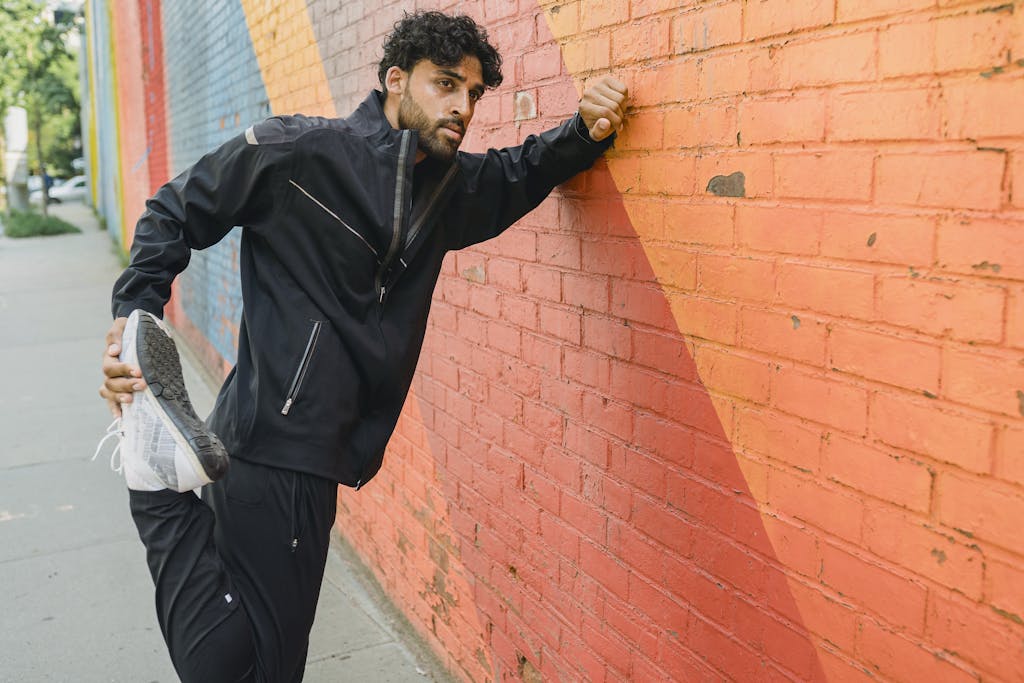
Movement Breaks
Short stretches or walks help release tension and reset your nervous system during long travel days.
Predictable Routines
Even small habits like keeping consistent meal times or wind down rituals give your body cues for safety and stability.
Mini Mindfulness Moments
Take brief pauses to check in with your breath, thoughts, or body sensations to maintain calm and focus.
Environmental Adjustments
Control light, noise, and space whenever possible to reduce overstimulation and help your body regulate.
Emotional Health and Isolation on Tour
Being around people constantly can still feel lonely. Many people on tour experience emotional whiplash from intense connection followed by sudden quiet.
Supportive approaches include:

Naming what you are feeling without trying to fix it. Emotional awareness alone can reduce distress. Giving yourself permission to disengage socially when needed. Alone time is not a failure, it is recovery. 
Watching for signs of burnout like numbness, irritability, or feeling detached from the work. Staying connected to people outside the tour when possible. Even brief check-ins can increase emotional stability.




Substance use, Recovery, and Harm Reduction on Tour
Helpful considerations include:
• Knowing your early warning signs that stress is building.
• Setting personal boundaries ahead of time when possible.
• Using harm reduction strategies if abstinence is not your goal.
• Seeking support if substance use starts to feel less like a choice.
set yourself up for success
Therapy and Preparing for Mental Health on Tour
Therapy can help you build skills and awareness that support mental health before, during, and after time on the road. For people who tour or travel frequently, therapy can focus on stress regulation, emotional resilience, burnout prevention, and setting yourself up for success in demanding environments.
For support in Colorado, reach out to Musician Therapy Studio and see our finding a therapist page for more resources.